Wood-Fired vs. Electric Sauna Stoves
Choosing between wood-fired and electric sauna stoves depends on your desired heat, installation, and maintenance preferences.
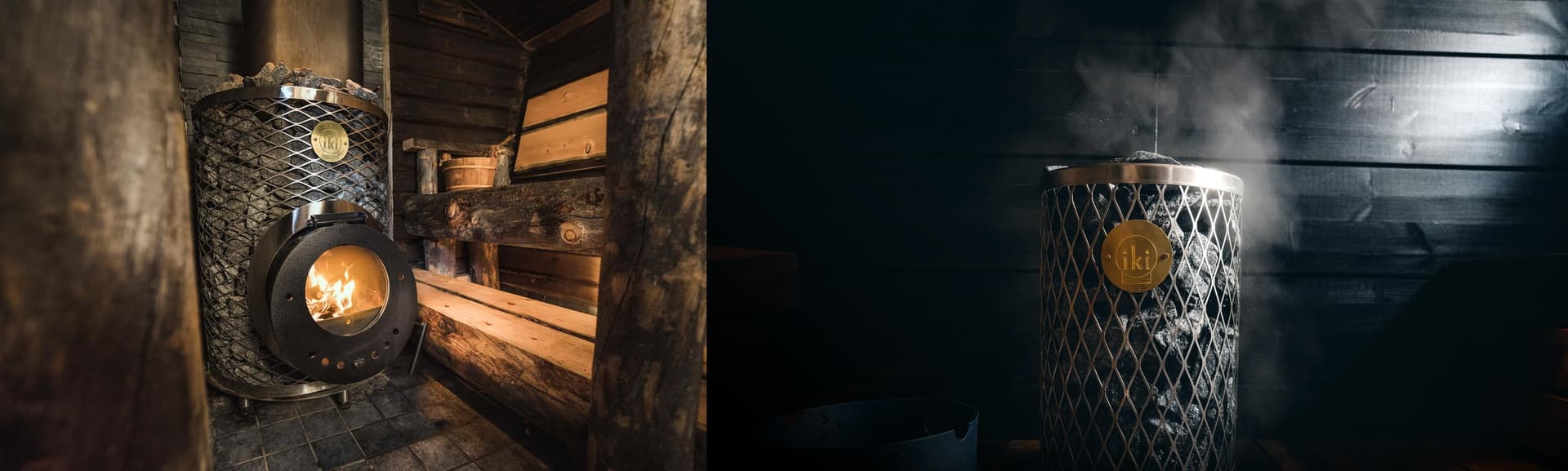
Wood-Fired vs. Electric Sauna Stoves: How to Choose the Right Heat
Choosing between a wood-fired and electric sauna stove is one of the biggest decisions you’ll make when planning an outdoor sauna. Both options deliver excellent heat, but the experience, installation requirements, and long-term costs are very different. Below, we break down everything you need to know so you can choose the stove that fits your lifestyle and the kind of sauna rhythm you want to build into your week.
What’s the Real Difference Between Wood & Electric Heat?
Both stove types can easily reach 160–200°F+, but the quality of heat is where things separate.
A wood-fired sauna creates a soft, rolling warmth—heat you feel deep in your bones. Electric stoves produce a crisp, consistent heat that’s easy to control and ideal for people who want push-button convenience.
Neither is “better.” It’s simply a matter of preference.
Wood-Fired Sauna Stoves
Wood-fired heat is the heart of a traditional Finnish sauna. The smell of burning wood, the sound of crackling, and the quality of steam they produce create a truly immersive experience.
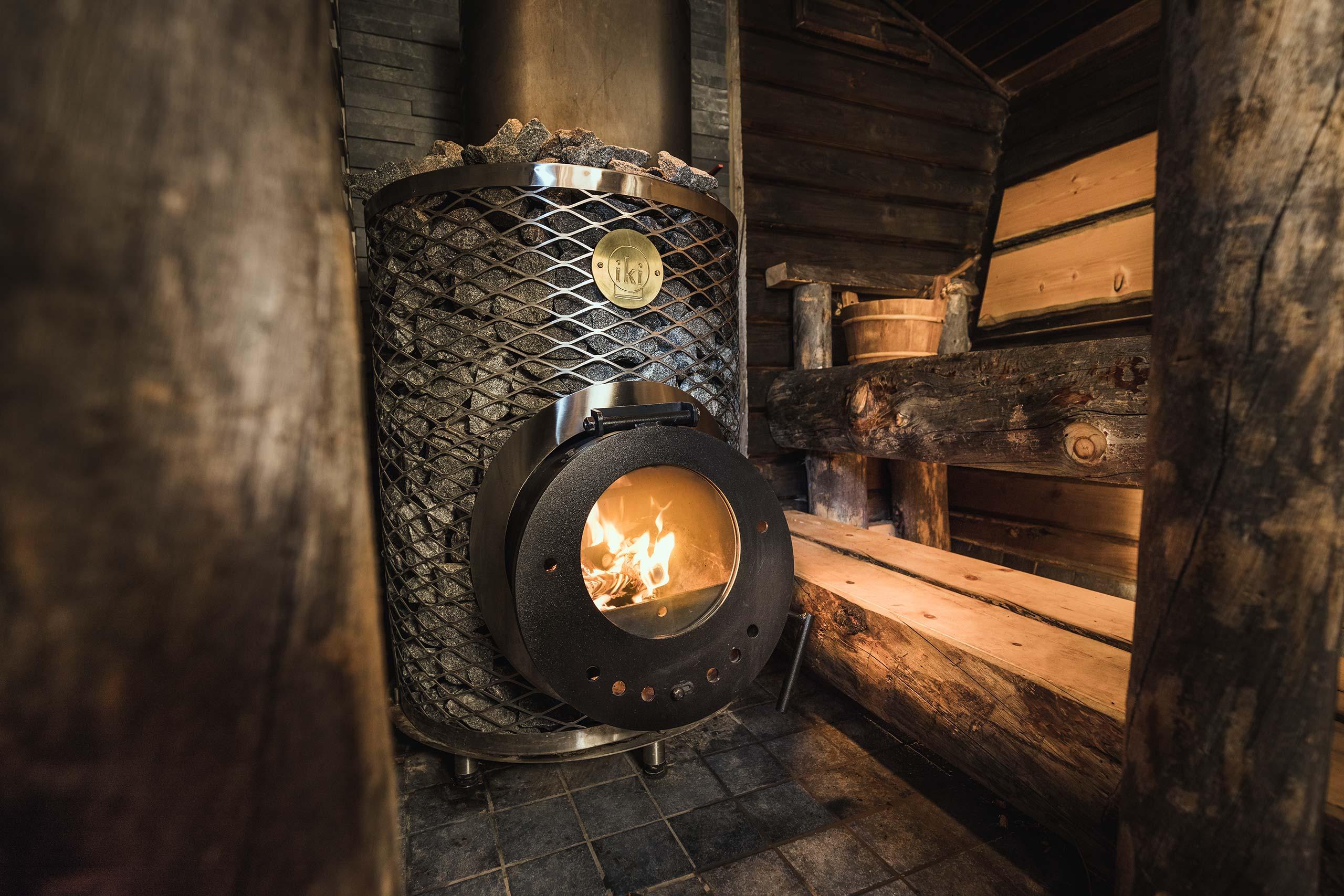
Iki Original Sauna Stove
Pros
Rich, traditional löyly (steam)
No electrical hookup required
Immersive ritual—fire building, scent, sound
Great for cabins or rural properties
Cons
Requires a chimney/flue installation
More maintenance (ashes, wood supply)
Slightly slower heat-up time
Best For
Homeowners who want authentic sauna heat and enjoy the hands-on ritual of tending a fire.
Electric Sauna Stoves
Electric stoves offer fast, predictable performance and are built for busy people who want an effortless daily routine.

Pros
Push-button convenience
Precise temperature control
Fast heat-up
Minimal ongoing maintenance
Cons
Requires a 240V electrical circuit
Doesn’t replicate the “softness” of wood heat
Not ideal for off-grid properties
Best For
People who want to sauna frequently and value simplicity over ritual.
Heat Quality Comparison
Both stove types reach the same temperatures, but they feel different:
Wood: softer, more humid, smoother warmth
Electric: crisp, dry, very steady
If strong steam bursts and authentic löyly matter to you, wood-fired usually wins. If you want precise control and zero work, electric is unbeatable.
Cost Comparison (2025)
Wood-Fired
Stove: $1,000–$2,500
Chimney/flue: $400–$900
No electrical work required
Slightly more maintenance
Electric
Stove: $1,200–$2,800
Electrical installation: $500–$1,500
Lowest maintenance long-term
Overall, the price difference is usually small—so base your decision on the experience, not the cost.
Which Should You Choose?
Here’s a simple way to frame the decision:
If you want daily convenience → choose electric
If you want traditional Finnish heat → choose wood-fired
If you’re off-grid → wood-fired is the right choice
If you’re in a city or suburb → electric is easier
Most Minnesota sauna enthusiasts prefer wood-fired for the authenticity and steam quality… but either option will give you wonderful heat when paired with a well-built sauna.
If you'd like help choosing the right stove for your setup, Northern Steam walks every customer through configuration, layout, and heat selection to make sure you get the experience you’re looking for.