What to Know Before Buying an Outdoor Sauna
Discover the essential factors before purchasing an outdoor sauna, including costs, permitting, installation, and key decisions for your perfect fit.
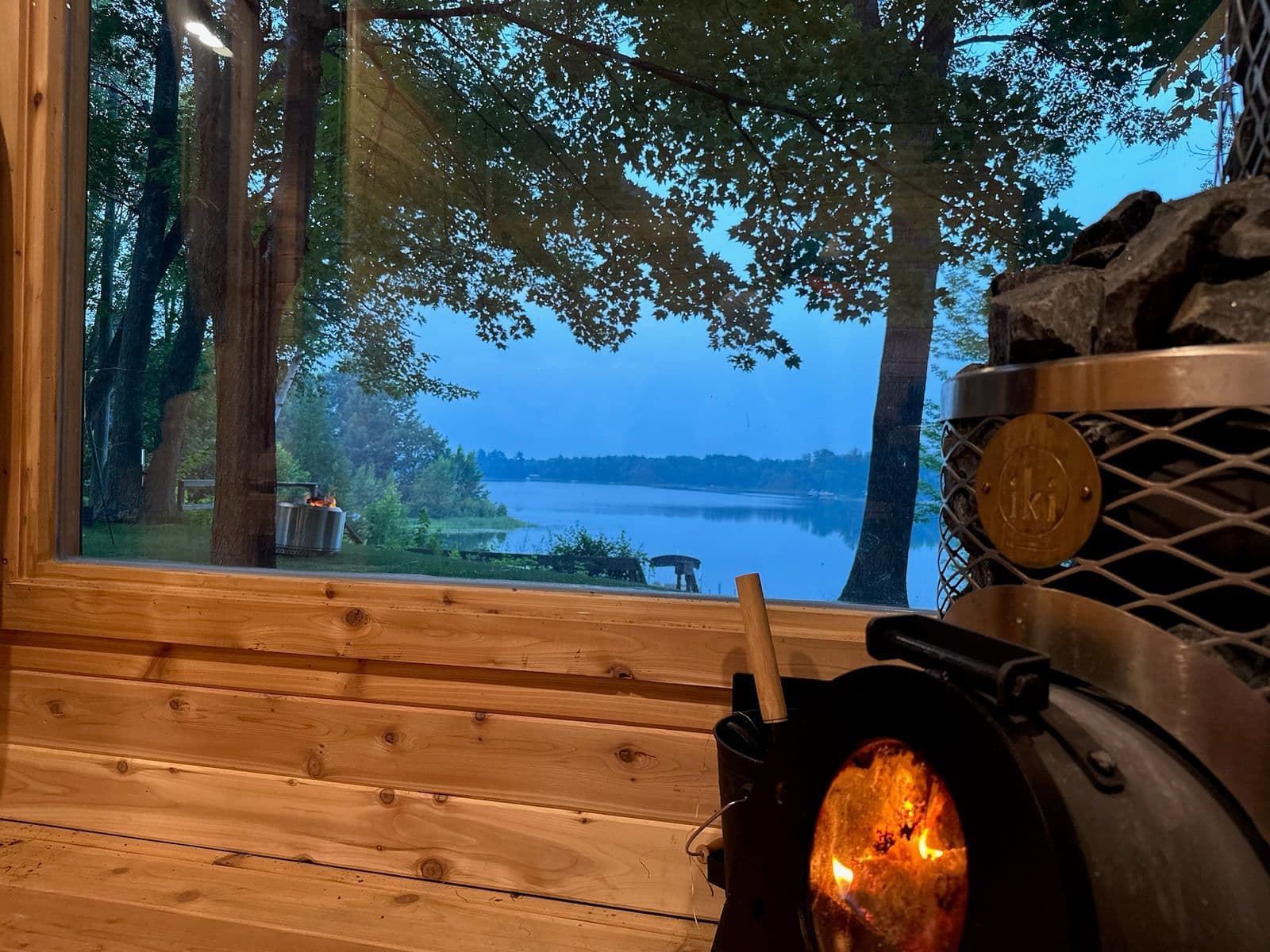
What to Know Before Buying an Outdoor Sauna: Costs, Permits, Installation, and Key Decisions
An outdoor sauna can completely change your daily rhythm—helping you unwind, recover faster, and create a quiet space that’s yours alone. But before you invest, it’s important to understand the practical side: costs, sizing, heat sources, installation requirements, and what the buying process actually looks like.
This guide walks through everything you need to know so you can make confident decisions, avoid surprises, and choose a sauna that fits your lifestyle and your space.
1. How Much Does an Outdoor Sauna Cost?
The cost of an outdoor sauna varies depending on size, materials, heater type, and build quality. Most homeowners should expect to invest:
$20,000–$50,000 for a fully built sauna from a Minnesota builder like Northern Steam
$4,000–$8,000 for DIY sauna kits (but requiring construction skill and more site prep)
What affects the price?
Size — Larger saunas require more lumber, insulation, and heating capacity.
Materials — Premium cedar, metal roofing, and upgraded windows add cost but improve longevity.
Heater type — Wood-fired stoves typically cost more upfront but reduce electrical requirements.
Custom features — Additional windows, accent walls, changing rooms, or unique layouts can influence final price.
If you’re budgeting, remember to include delivery, site prep, and (if electric) electrical work as part of the total investment.
2. Do You Need a Permit for an Outdoor Sauna?
Permit requirements vary by city and county, but most municipalities require at least one permit for an outdoor sauna—especially if it includes electrical work.
Common permits include:
Electrical permit for wiring an electric heater or lighting
Building permit for structures over a specific square footage
Mechanical permit in certain jurisdictions for venting or stove installation
Zoning approval if your sauna sits near property lines or easements
Good rule of thumb:
If your sauna needs power, sits on a foundation, or exceeds 100–200 square feet, check with your local building office.
At Northern Steam, we help customers understand what your city typically requires and how to approach the process.
3. What Size Sauna Do You Need?
Sizing is one of the most important decisions—and one of the most common questions we hear.
Typical sauna sizes:
2–3 person: 6×6 or 6×8
4–5 person: 7×12 or similar
6+ person: 8×12 and larger
How big should it be?
Consider:
Who will use it? Friends? Family? Just you?
How often? Daily users often prefer a little extra bench space.
How much space do you have? Paths, clearances, and doors all matter.
Heat preference: Larger rooms take longer to heat and may require bigger heaters.
At Northern Steam, our most popular sizes are 6×8 (great for couples) and 7×12 (spacious, excellent for hosting).
4. Electric vs. Wood-Fired: Which Heater Is Better?
Choosing a heat source is one of the biggest decisions in the buying process.
Electric Heaters
Pros: Simple, consistent heat; easier installation; set-and-forget operation
Cons: Requires a licensed electrician and a 240V circuit
Best for: Convenience, ease of use, urban areas.
Wood-Fired Stoves
Pros: Authentic Finnish experience; higher max temperatures; no electrical requirement
Cons: Requires wood supply, chimney clearance, and more ventilation awareness
Best for: Rural properties, sauna enthusiasts, and those wanting traditional heat.
If you’re unsure, we help you understand how each performs and what your site is best suited for.
5. Foundation, Setup, and Installation Requirements
Outdoor saunas need a stable, level base that drains well. Fortunately, the requirements are simple.
Common foundation options:
Gravel pad (most popular)
Concrete pavers
Small concrete slab
Deck platform (when engineered for the weight)
Why it matters:
A proper base protects your sauna from moisture issues, shifting, and premature wear.
Most of our customers complete their base in a single weekend, and we provide a simple foundation guide for every model.
6. Power Requirements (If Electric)
Electric saunas typically need:
240V, 30–60 amp circuit depending on heater size
Outdoor-rated wiring and conduit
A licensed electrician for safe installation
Even if you choose a wood stove, you may still want power for:
Interior lighting
Exterior lighting
Outlets for accessories
Smart controls
We help customers understand exactly what's needed before installation day.
7. How Long Does It Take to Install an Outdoor Sauna?
At Northern Steam, our saunas arrive fully built and ready to use—no confusing assembly or weeks-long build process.
What you need to prepare:
Foundation complete
Electrical work (if needed)
Clear, accessible delivery path
Once delivered, most customers are using their sauna the same day once the heater is connected.
8. What to Look for in a Quality Sauna (Not All Are Equal)
Here’s how to spot a well-built sauna:
✓ Proper insulation
Prevents heat loss and improves efficiency.
✓ High-quality cedar interior
Resists moisture, stays cool to the touch, smells incredible, and lasts decades.
✓ Tight construction + vapor barriers
Keeps moisture and heat where they belong.
✓ Correct heater sizing
Ensures fast, effective heat without wasting energy.
✓ Thoughtful ventilation
Creates better airflow, healthier heat, and helps your sauna dry out quickly.
Northern Steam saunas are designed with all of these principles in mind, combining Finnish tradition with modern Minnesota craftsmanship.
9. Key Questions to Ask Any Sauna Builder
Before you buy, ask:
What materials do you use for the interior and exterior?
Are your saunas insulated for Minnesota winters?
Do you use vapor barriers and proper framing?
Is delivery included, and what’s required on my end?
What warranties do you provide?
Do you offer electric and wood-fired options?
A good builder should answer these easily.
Final Thoughts: Make an Informed, Confident Sauna Investment
Buying an outdoor sauna should feel exciting, not overwhelming. By understanding the major decisions—size, heat source, foundation, permits, and cost—you’ll be able to choose a sauna that fits your home, your budget, and your lifestyle.
If you have questions about your space or want help choosing the right model, the Northern Steam team is here to guide you through every step.
Ready to explore your options?
Send us a message anytime—we’re happy to help.